Home / Coffee Types

Three origins.
Four grades each.

EIDHAK Trading specialises in three Ethiopian green coffees — Guji Hambela, Sidamo and Jimma. Every type is offered across all four Ethiopian export grades, with dry processing as standard and an anaerobic fermentation program for Guji Hambela and Sidamo.

Type Region Altitude Processing Grades Profile
Guji Hambela Oromia, southern 1,900–2,300 m Dry · Anaerobic G1 · G2 · G3 · G4 Floral, syrupy, bright
Sidamo SNNPR, southern 1,900–2,200 m Dry · Anaerobic G1 · G2 · G3 · G4 Berry, cocoa, classic
Jimma Oromia, western 1,500–2,000 m Dry only G1 · G2 · G3 · G4 Earthy, dark cocoa, full body
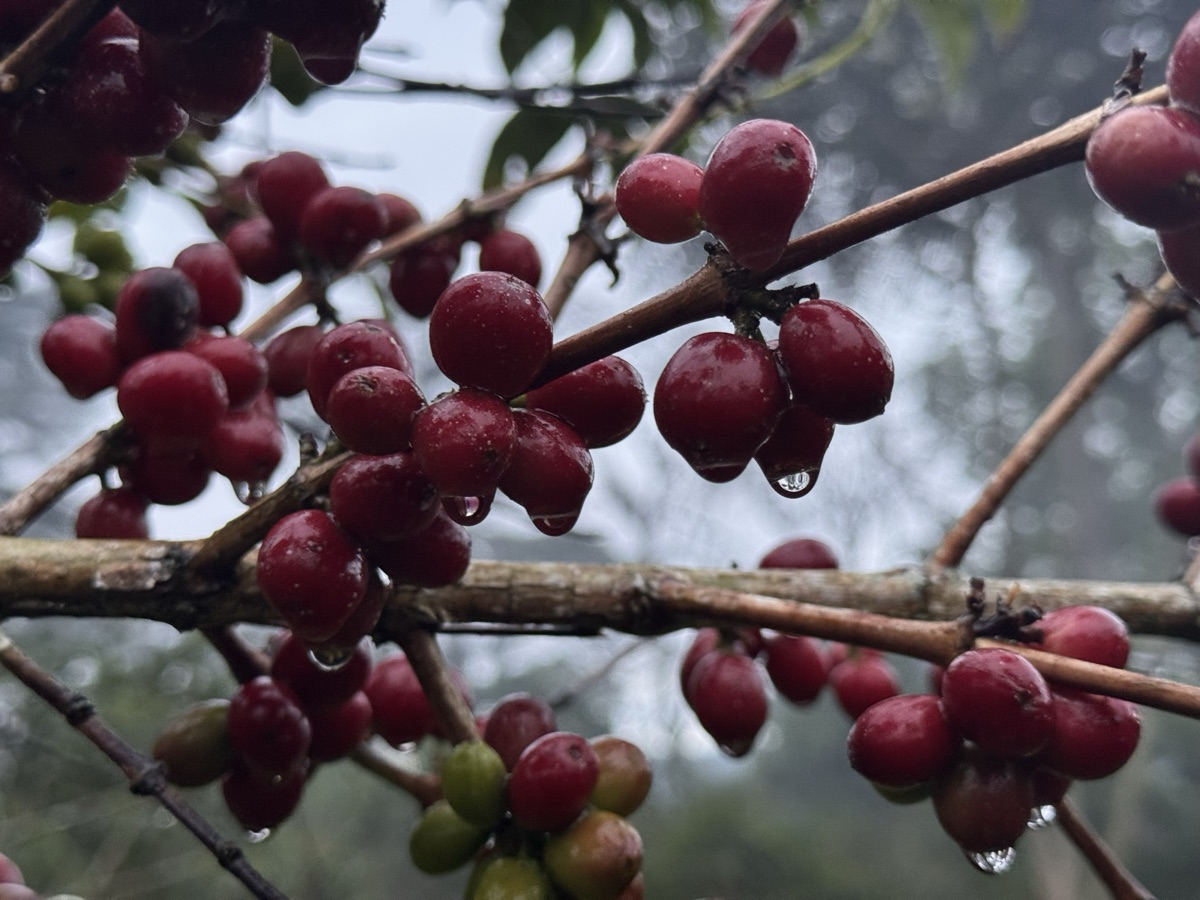
Guji Hambela red coffee cherries on the branch in highland mist with water droplets
/ 01 Guji · Hambela

Guji Hambela

Our highest-altitude origin and the most decorated cuppings of every harvest. Hambela sits in the Guji Zone of southern Oromia, where heirloom varieties grow between 1,900 and 2,300 metres. We produce it in both dry-process and anaerobic programs across Grades 1 through 4.

Dry process Anaerobic G1 · G2 · G3 · G4 87+ cup
Explore Guji Hambela
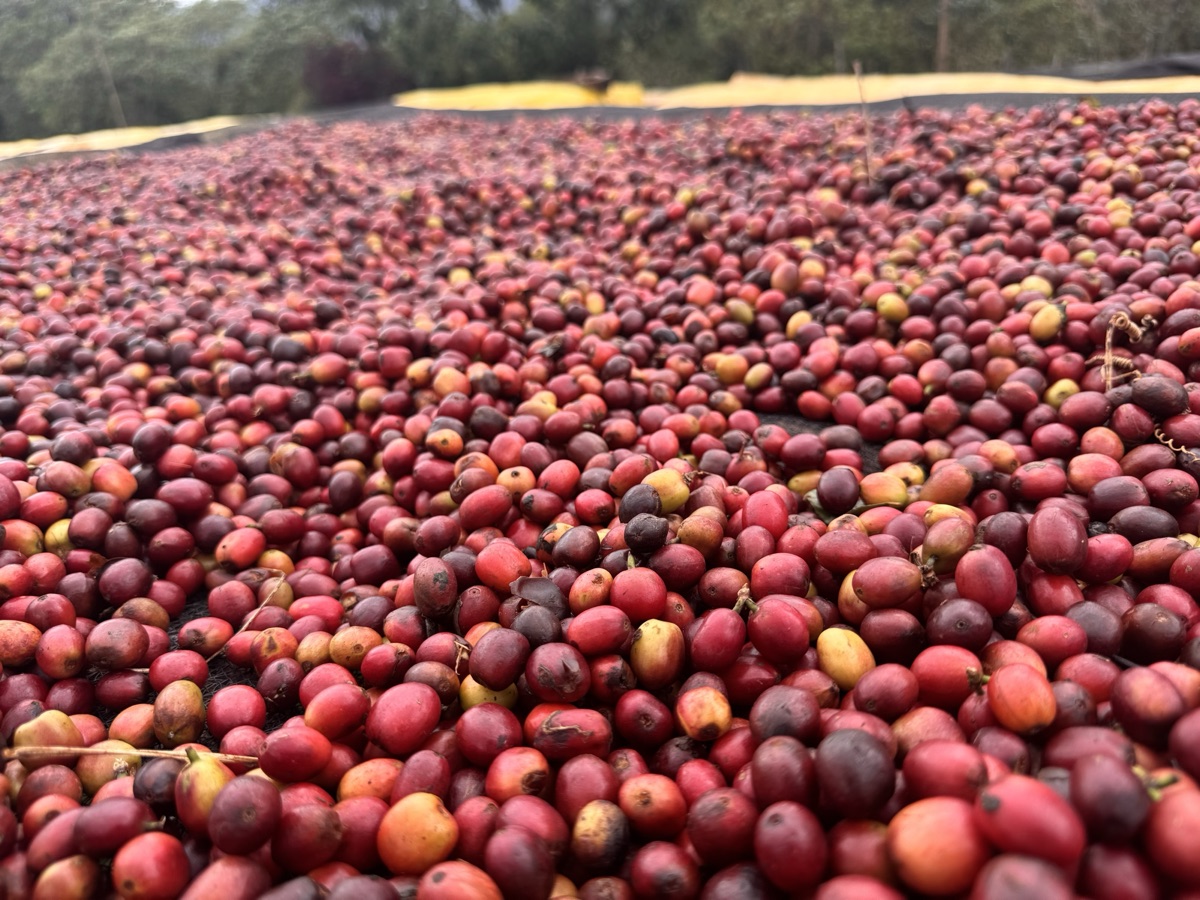
Sidamo coffee cherries dry-processing on raised drying beds
/ 02 Southern · SNNPR

Sidamo

The classical Ethiopian profile, refined. Sidamo is grown across rolling highland farms between 1,900 and 2,200 metres, with a long history of small-cooperative production. We offer it in both dry and anaerobic programs, across all four export grades.

Dry process Anaerobic G1 · G2 · G3 · G4 87+ cup
Explore Sidamo
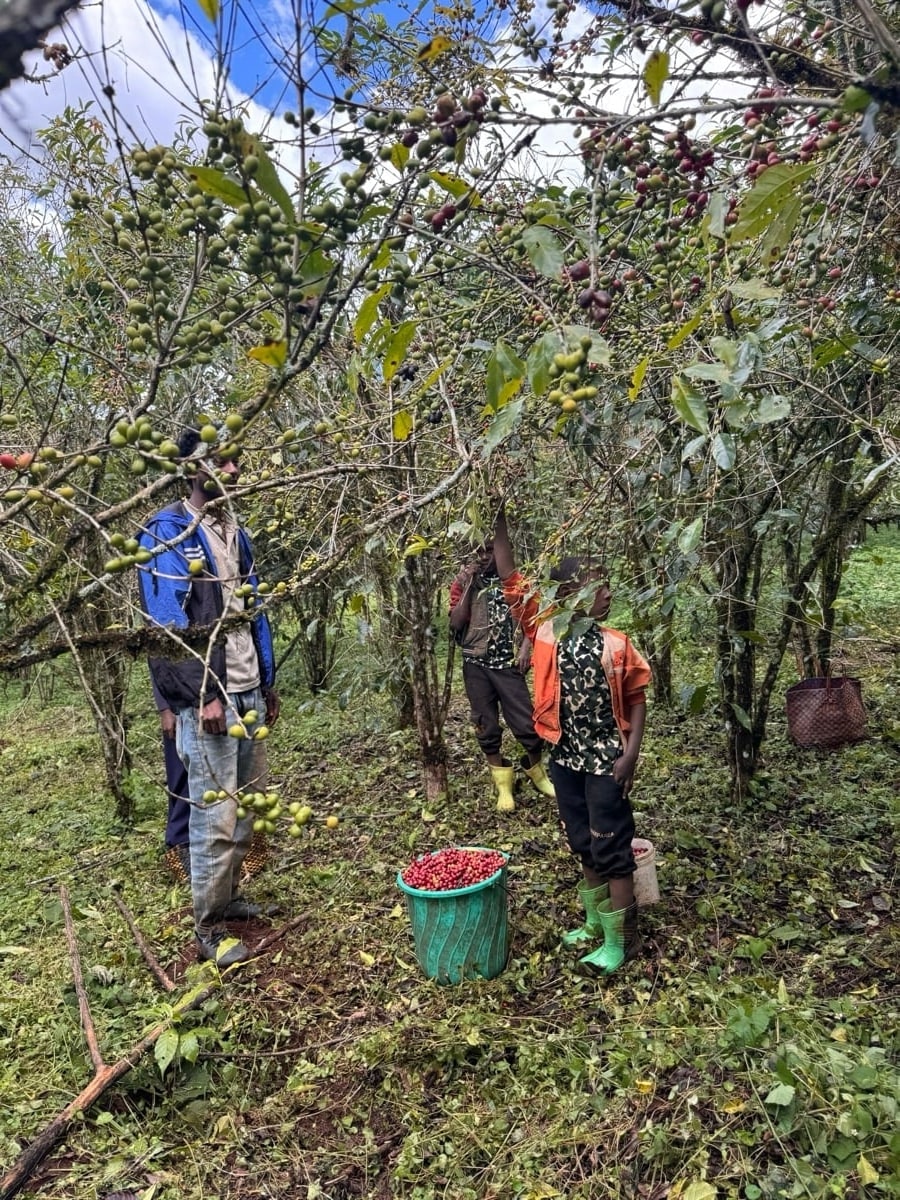
Jimma harvesters picking coffee cherries in the forest with woven baskets
/ 03 Western · Oromia

Jimma

Forest-grown, ancestral, full-bodied. Jimma sits in western Oromia, with wild and semi-wild coffee growing under native forest canopy between 1,500 and 2,000 metres. Produced exclusively in our traditional dry process, across Grades 1 through 4.

Dry process only G1 · G2 · G3 · G4 87+ cup Forest-grown
Explore Jimma
Understanding grades

Four Ethiopian
export grades, explained.

Ethiopia's grading system is governed by the Ethiopian Commodity Exchange (ECX), based on defect count, screen size, moisture, and cup quality. Every EIDHAK lot is independently graded and Q-cupped before shipment.

G1 Specialty

Specialty grade

The highest quality. Zero primary defects and very few secondary defects per 300g sample.

Defects0–3
Cup score87+
Moisture10–12%
G2 Premium

Premium grade

Excellent quality, still cleanly specialty in cup, with a slightly higher tolerance for secondary defects.

Defects4–12
Cup score83–85
Moisture10–12%
G3 Commercial

Commercial grade

Solid commercial cup, suitable for blends and everyday roasted offerings.

Defects13–25
Cup score80–83
Moisture10–12.5%
G4 Standard

Standard grade

Dependable, full-bodied, well-suited to mass-market blends and instant coffee programs.

Defects26–45
Cup score75–80
Moisture10–13%

All four grades available for each of our three coffee types. Cup scores indicative; exact figures vary by harvest week and drying-station lot. Pre-shipment samples available on every offer.
Processing programs

Dry across all.
Anaerobic for two.

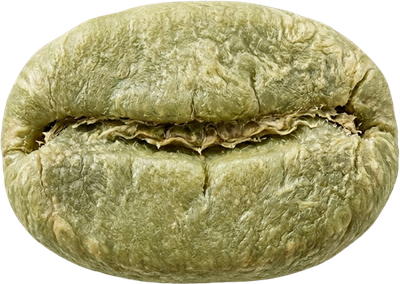
Every EIDHAK coffee type is produced in our traditional dry process; Guji Hambela and Sidamo are also offered in a controlled anaerobic fermentation program. Jimma is dry-processed only — true to its forest origin.

Guji
Sidamo
Jimma
Dry
Anaerobic

Anaerobic fermentation: cherries sealed in stainless-steel tanks for 60–120 hours under controlled temperature; produces amplified clarity and exotic fruit notes.

Ready to cup?

Send us your roastery's
cup profile. We'll match a lot.